Beware of Deodorants

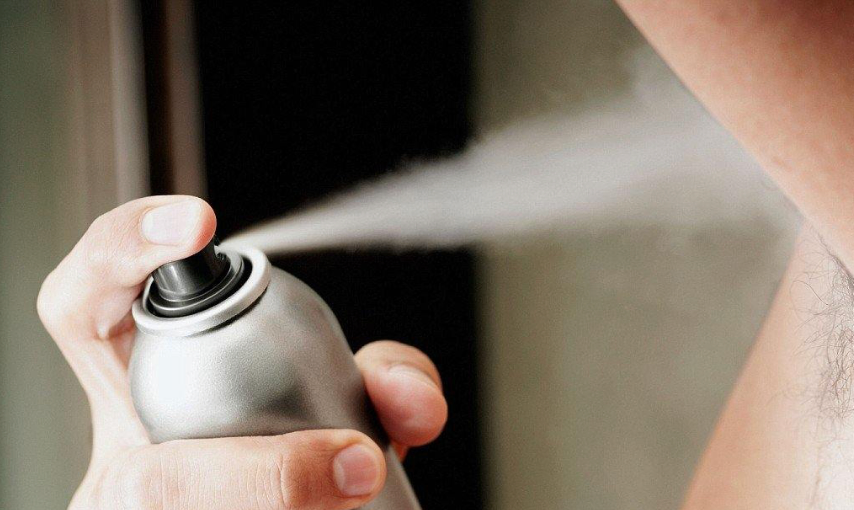
What if a product that millions of people use every day to stay fresh is quietly “contributing” to one of the most frightening diseases among women?
A growing body of evidence points to aluminum in deodorants playing an insidious role in the development of breast cancer.
In the early 2000s, a series of studies began to draw disturbing links between aluminum-based deodorants and breast cancer. This research, led by scientists such as Dr. Philippa Darbre, presented compelling evidence that deserves to be taken seriously.
Aluminum in breast tissue:
A 2007 study found that aluminum concentrations were significantly higher in the outer regions of the breast, exactly where most breast cancer cases occur. This matched the pattern of deodorant use and immediately raised red flags.
Estrogen-mimicking effects:
Further research showed that aluminum compounds can act as “metalloestrogens,” mimicking the effects of estrogen in breast tissue. Given estrogen's known role in certain types of breast cancer, this was a troubling discovery.
Changes in cell structure:
A 2012 study found that even extremely low concentrations of aluminum chloride can promote “anchorage-independent growth” in mammary cells, a hallmark of cancer development.
The concept of metalloestrogens revolutionized our understanding of how metals like aluminum may affect breast health. A 2012 paper in the Journal of Applied Toxicology explained: “Metals such as aluminum have been linked to breast cancer for some time, but new research confirms the existence of an entirely new class of cancer-causing estrogens called “metalloestrogens,” which are found in thousands of consumer products, some even used in dietary supplements and foods. This provides a clear biological pathway through which aluminum in antiperspirants may influence the development of breast cancer.
Blocking nature's process:
Beyond the direct effects of aluminum, the very action of deodorants, blocking the sweat glands, may contribute to cancer risk. A 2019 study highlighted the crucial role of sweating in eliminating toxins and adds further support to the essential health value of sweating in modern life. While the most obvious way to sweat, through intense exertion, isn't always convenient or available, given limitations or lifestyle commitments that prevent it, you can always use a sauna or an infrared blanket to make yourself sweat profusely.
By preventing the natural elimination of toxins through sweat, deodorants cause potentially carcinogenic compounds to build up in breast tissue.
One of the most compelling pieces of evidence comes from a 2011 study that found significantly higher levels of aluminum in the nipple aspirate fluid of women with breast cancer compared with healthy controls. This direct measurement of aluminum accumulation in breast tissue provides strong support for the proposed link between deodorants and cancer risk.
A 2009 paper in Medical Hypotheses proposed a theory linking antiperspirant use to breast and prostate cancer:
“Unintended, unintended and long-term hormone exposure may occur through skin absorption of sex hormones and pheromones (androgens) as a result of aluminum-based deodorants blocking the apocrine sweat glands in the armpit. The worldwide rise in deodorant use parallels the rise in the incidence of breast and prostate cancer. And mortality rates.
This hypothesis highlights the potentially far-reaching consequences of interfering with our body's natural sweating process.
While the research continues, we can take steps to reduce the potential risk. The precautionary principle suggests that we should take this risk seriously.
Practical recommendations:
- Switch to aluminum-free deodorants
- Embrace sweating as a natural, healthy process
- Use saunas or physical activity to promote detoxification through sweating
- Choose personal care products without chemical ingredients
As consumers, we must demand transparency from the cosmetics industry and support ongoing research. Our daily habits can have profound long-term health consequences, and it's important that we make informed choices about the products we apply to our bodies. The link between aluminum and breast cancer serves as a powerful reminder that sometimes, in our pursuit of convenience, we may be sacrificing our health.
Sources:
1. Exley C, Charles LM, Barr L, Martin C, Polwart A, Darbre PD. Aluminium in human breast tissue. J Inorg Biochem. 2007 Sep;101(9):1344-6.
2. Darbre PD. Aluminium, antiperspirants and breast cancer. J Inorg Biochem. 2005 Sep;99(9):1912-9.
3. Sappino AP, Buser R, Lesne L, et al. Aluminium chloride promotes anchorage-independent growth in human mammary epithelial cells. J Appl Toxicol. 2012 Jan;32(3):233-43.
4. Ji S. Metalloestrogens: A New Class Of Cancer Causing Estrogens. GreenMedInfo. 2012 Mar 18.
5. Ji S. Confirmed: Sweating Removes Deadly Chemicals From The Body. GreenMedInfo. 2019 Apr 30.
6. Mannello F, Tonti GA, Medda V, Simone P, Darbre PD. Analysis of aluminium content and iron homeostasis in nipple aspirate fluids from healthy women and breast cancer-affected patients. J Appl Toxicol. 2011 Apr;31(3):262-9.
7. McGrath KG. Apocrine sweat gland obstruction by antiperspirants allowing transdermal absorption of cutaneous generated hormones and pheromones as a link to the observed incidence rates of breast and prostate cancer in the 20th century. Med Hypotheses. 2009 Jun;72(6):665-74.
8. Hangan T, Bjørklund G, Chirilă S. Exploring the Potential Link between Aluminum-Containing Deodorants/Antiperspirants and Breast Cancer: A Comprehensive Review. Curr Med Chem. 2024 Jan 1.
A new article every week, straight to your inbox.