Hormones: Molecules of Emotion
If you'd like to learn more about this important subject
you're welcome to go deeper here:
 ProductConscious Nutrition, Choosing to Know: A Comprehensive Course in Clean Eating in a Toxic AgeMore details
 ProductThe Bridge to Joy: A Journey to Emotional IndependenceMore details
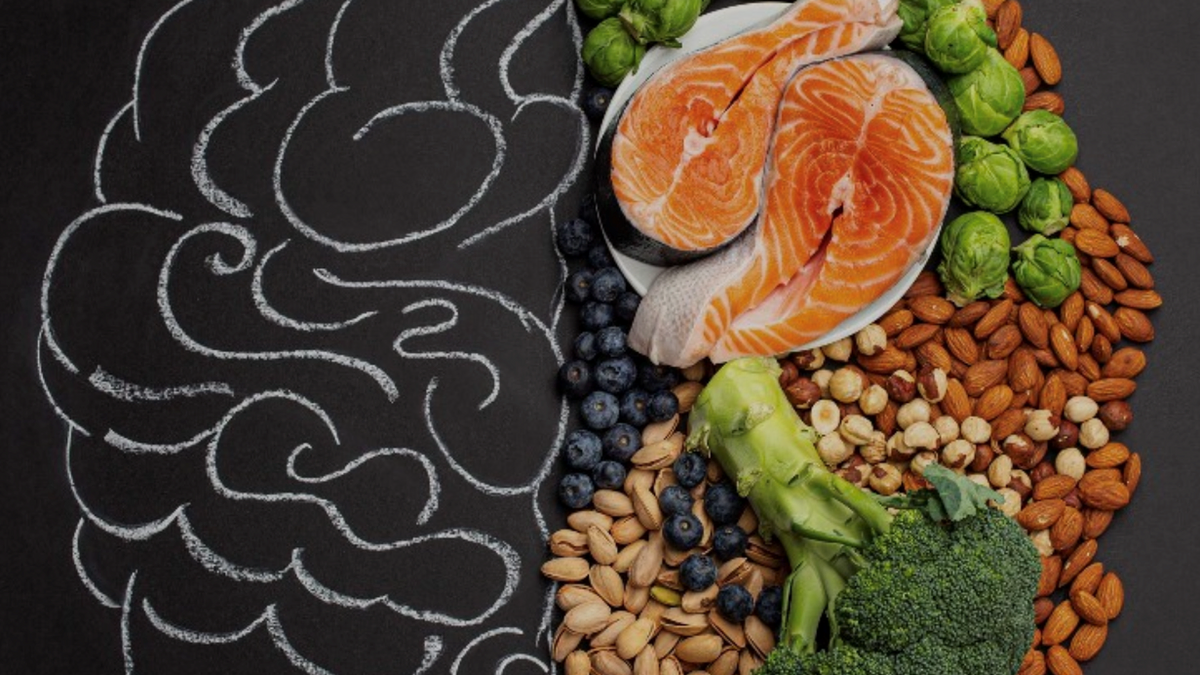
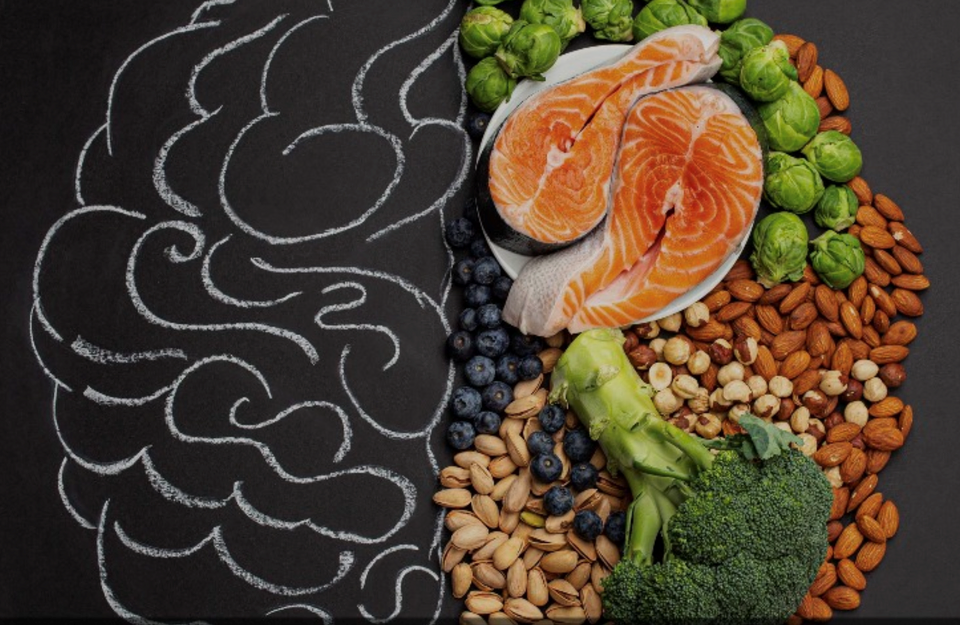
The brain takes the lion's share of every meal, of the minerals, vitamins, fats and proteins you eat, so that it can run the body, function and make decisions. Whatever is left over is handed on to the rest of the body, to the cells that make up the organs and the glands that produce molecules of emotion, also called hormones. We have one mandate here: to be ready to experience all of our thoughts, with no exceptions and no special cases. So when you think something, you also immediately feel it as truth; the body can turn a thought into emotion and sensation through the chemistry of the brain. Every emotion, such as anger, fear, passion, a sense of lack, guilt, is in fact fed by what you eat. And what if you don't eat, skip meals, throw them up or simply eat badly? Then you don't have the chemical resources to turn thoughts into emotions and sensations. Julia Ross, a clinical psychologist and author of “The Mood Cure,” writes that the standard Western diet has deteriorated to the point of “epidemic malnutrition,” stemming mainly from the low-fat diet craze and the enormous amounts of corn sweeteners added to foods since the 1970s. Ross describes the initial symptoms arising from malnutrition as “false moods.”
A stomach full of nutritionally empty food or food with harmful ingredients does not nourish the brain.
There are four specific and critical neurotransmitters (serotonin, catecholamines, GABA and endorphins). The body cannot produce these if the diet lacks amino acids, and this causes symptoms of depression, apathy, anger or irritability, violence and poor coping under stress. A whole-food diet is essential for correcting mood disorders, with an emphasis on saturated fats, fairly high amounts of quality protein and fresh vegetables. One of the amino acids critical for optimal brain function is tryptophan. When the brain lacks nourishment or is exposed to toxins, we are unable to experience our thoughts, that is, to turn them into molecules of emotion: hormones. The chemical-emotional chaos this creates is one of the common causes of depression. Hunger, then, is an urgent demand for the raw materials that allow you to be yourself. You are literally turning your food into thought and knowing, that is, turning food into thoughts that are translated chemically into molecules of emotion, hormones, and finally into sensations in your body. Now you can also understand how poor or deficient nutrition can create a common state in which the brain has no resources to produce molecules of emotion, whose vibrations match your thoughts and what you originally wanted to express in your life, in tangible form, in your reality. You don't feel what you wanted to say, what you thought. In times when whole nations go hungry, there is a great loss of the ability to feel, because the brain cannot convert thoughts into molecules of emotion. People become emotionally numb and apathetic on the one hand, yet in their brain there is a storm that cannot find electrochemical expression; the hungry person finds it very hard to fulfill their mandate here. Diseases spread among starving peoples because they could not build emotional resilience against them in their brains; they didn't even have the food to do so. When you starve a person who is wholly an emotional, sensitive being who lives and dies by their emotions and is addicted to their chemistry in the brain, you are in effect denying them the nutrients they need to develop the emotions that define their self and give them a sense of worth and ability. Religions, traditions and nations are all emotional doctrines, and so they too are powerful means of controlling masses and individuals. Whole peoples are socially organized around gathering and consuming food, and for thousands of years religions have organized obligatory holidays and festivals around food mixed with feelings of guilt and obedience. The body withers and dies because all of its essential nutrients have been consumed by the body of light, the emotional body. Many times people make destructive decisions in their lives because of the diminished capacity of a hungry brain. A very wise person is one who has managed to wire their brain in a non-emotional way, so that their thinking and decisions are based on their life experience and wisdom, not on emotions. Since the brain always consumes the lion's share of our food: better nutrition, better decisions. Food for thought…
Ran
A new article every week, straight to your inbox.