Acamol Changes Your Emotional Behavior and Your Children’s, and Even Harms Their Brains

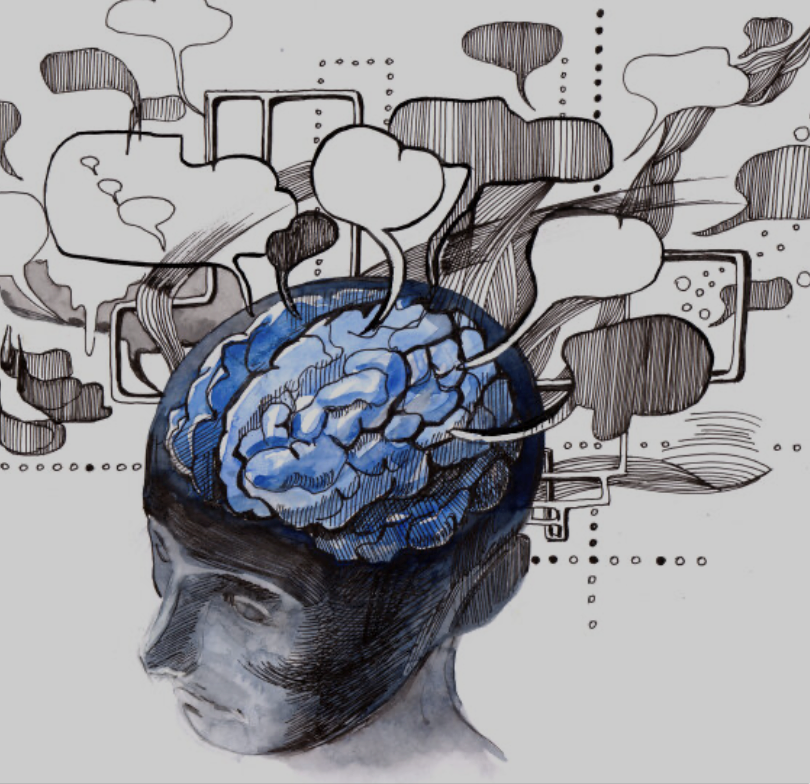
For decades, Tylenol (in Israel, Acamol; active ingredient paracetamol) has been used as a painkiller, but research reveals that it has psychiatric side effects, including blunted emotional responses to both positive and negative stimuli.
It turns out that many painkillers sold without any prescription or oversight do more than just kill pain, and sometimes they kill the people who take them…
For example, a 2013 review of 754 clinical studies published in The Lancet found that NSAID use was associated with roughly double the risk of heart failure.
Ibuprofen in particular is estimated to cause thousands of deaths from cardiovascular events every year, and according to the lead researcher of the Lancet review, it is as dangerous for long-term users as the drug Vioxx, which was estimated to have caused 30,000 cases of heart attacks and sudden cardiac deaths between 1999 and 2003 alone.
We are flooded with popular over-the-counter painkillers such as acetaminophen (Tylenol = Acamol), ibuprofen (Ibufen, Nurofen, Adex, Advil) and aspirin. These are sold like candy to reduce pain and inflammation, without looking for, identifying and resolving the roots of the symptoms.
Research shows that Acamol not only dulls pain but also dulls its users’ emotional responses.
The study, published in the journal Psychology Science under the title “Over-the-counter relief from pains and pleasures alike: acetaminophen (paracetamol = Acamol) blunts evaluative sensitivity to both negative and positive stimuli,” found that “participants who took paracetamol rated unpleasant stimuli as less negative and pleasant stimuli as less positive, compared with participants who took a placebo.”
They noted that their study has significant implications for the psychotropic properties of paracetamol. Clearly, it raises the disturbing possibility that commonly used painkillers act both physically and emotionally, blunting the intensity of physical and psychological experiences alike.
If these drugs were safe and did not cause thousands of deaths a year, perhaps this “side effect” could be considered “justified.” But given that they are already known to have lethal side effects, it is important to know that they also bring psychiatric consequences with them.
As far back as 1977, an expert panel warned the US Food and Drug Administration that it was “mandatory” to put on the warning label of paracetamol products that it caused “severe liver damage.” 32 years have passed since then, and it still hasn't been done…
Research also reveals that paracetamol harms children’s brains, yet millions use it daily without knowing this, including pregnant women and children.
Despite claims that paracetamol use during pregnancy and childhood is safe, the 2016 Spanish study shows a link between paracetamol use during pregnancy and ADHD/autism.
Sources:
http://www.thelancet.com/journals/lancet/article/PIIS0140-6736(13)60900-9/fulltext
http://www.thelancet.com/journals/lancet/article/PIIS0140-6736(13)60900-9/fulltext
https://journals.plos.org/plosone/article?id=10.1371/journal.pone.0108210
http://pss.sagepub.com/content/early/2015/04/09/0956797615570366.abstract
https://greenmedinfo.com/toxic-ingredient/tylenol
https://www.propublica.org/article/tylenol-mcneil-fda-use-only-as-directed
https://greenmedinfo.com/toxic-ingredient/ibuprofen
A new article every week, straight to your inbox.